


Cybersecurity in Space: Protecting Satellites and Systems
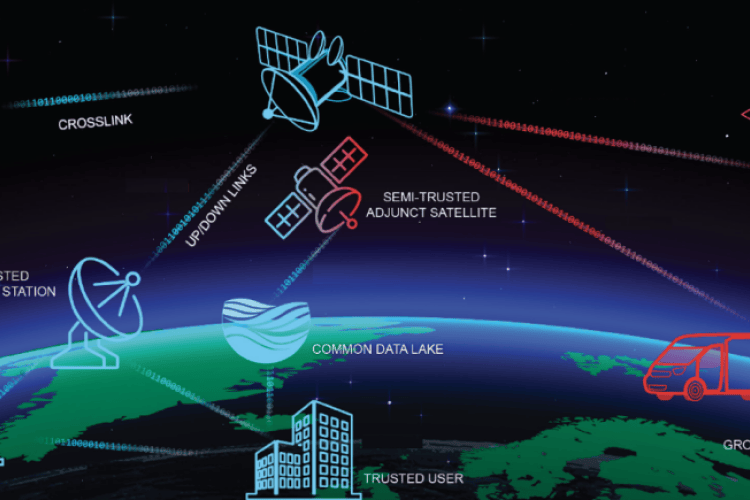
1. The Growing Importance of Space Cybersecurity Space technology plays a pivotal role in daily life and national security. Satellites support essential services like:
Navigation: GPS systems for transportation and logistics.
Communication: Internet, television, and emergency response systems.
Defense: Surveillance and intelligence gathering.
As these systems become more interconnected, they also become prime targets for cyberattacks.
2. Key Cybersecurity Threats to Space Systems
Hacking Satellites: Cybercriminals or state-sponsored actors can infiltrate satellite control systems, disrupt communications, or hijack satellites entirely.
Data Interception and Spoofing: Sensitive data transmitted by satellites, such as military intelligence or financial transactions, can be intercepted or manipulated.
Supply Chain Vulnerabilities: Compromised hardware or software in the supply chain can introduce malware or backdoors into space systems.
Denial-of-Service (DoS) Attacks: Overwhelming satellite systems with excessive traffic can disrupt operations.
3. Consequences of Cyberattacks on Space Systems
Cyberattacks on space systems can have far-reaching consequences:
Operational Disruptions: Interruptions to GPS, communication, or weather forecasting services.
Economic Losses: Disruptions to industries reliant on satellite technology, such as aviation and shipping.
National Security Risks: Compromised defense systems and intelligence operations.
4. Strategies to Protect Satellites and Space Systems
Enhanced Encryption: Implementing robust encryption protocols to secure data transmissions.
Real-Time Monitoring: Using advanced tools to detect and respond to threats promptly.
Supply Chain Security: Conducting rigorous assessments of hardware and software components.
Collaboration: Governments, private companies, and international organizations must work together to establish cybersecurity standards for space systems.
5. Emerging Technologies in Space Cybersecurity
Artificial Intelligence (AI): Automating threat detection and response.
Blockchain: Enhancing the security and transparency of satellite data transactions.
Quantum Cryptography: Developing encryption methods resistant to quantum computing attacks.
Conclusion
As space technology continues to evolve, so do the cyber threats it faces. Protecting satellites and space systems is not just a technical challenge—it’s a necessity for global security and economic stability. By investing in robust cybersecurity measures and fostering international collaboration, we can ensure the safety and reliability of space systems for generations to come.